
- English
- Exercise
- Beginner
 English
 English
 English

In this lesson we will learn present simple
English
 English
 English

A quick way to learn hobbies in Spanish Hobbies in Spanish for beginners and advance Learn Spanish online Learn words in Spanish Flashcards Learn languages online Words : ikebana, draughts, gardening, car racing
English
000
English
A quick way to learn hobbies in Turkish Hobbies in Turkish for beginners and advance Learn Turkish online Learn words in Turkish Flashcards Learn languages online Words : ikebana, draughts, gardening, car racing
EnglishA quick way to learn hobbies in Bulgarian Hobbies in Bulgarian for beginners and advance Learn Bulgarian online Learn words in Bulgarian Flashcards Learn languages online Words : ikebana, draughts, gardening, car racing
English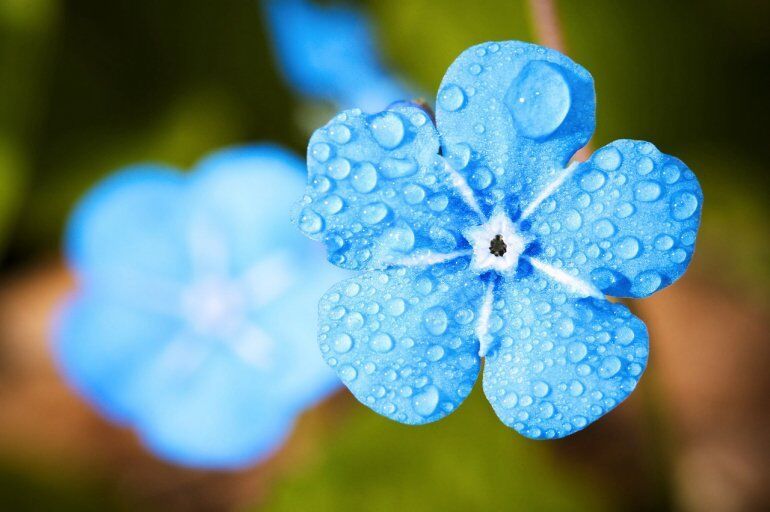
🪴 What Happened? Around 130–140 million years ago, flowering plants suddenly diversified and spread rapidly. This event is referred to as the Cretaceous Terrestrial Revolution. Charles Darwin called it an "abominable mystery" because of how quickly and widely they took over ecosystems. 🌍 How They Changed the World: Ecological Domination They now make up about 90% of all plant species and dominate most terrestrial ecosystems. New Food Webs Their flowers evolved to attract pollinators like bees, butterflies, and birds, creating new relationships and boosting biodiversity. Fruit & Seed Innovation Flowering plants produce fruits, which help disperse seeds via animals—hugely successful evolutionary strategy. Climate Impact Their fast-growing nature and broad leaves affect carbon cycles and even weather patterns by transpiring large amounts of water. Human Civilization Virtually all of our staple crops (wheat, rice, corn, etc.) are flowering plants. So, no flowers = no agriculture = no civilization as we know it.
English