

ClassesExplore live and upcoming classes from top educators

TutorsFind the perfect tutor for your goals

LessonsLearn at your own pace with structured lessons

CollectionsBrowse curated collections and learning paths



I am an experienced teacher who values clarity, structure, and active student participation. I focus on explaining complex topics in a simple way, supporting individual progress, and creating a positive atmosphere where students feel comfortable learning and growing.
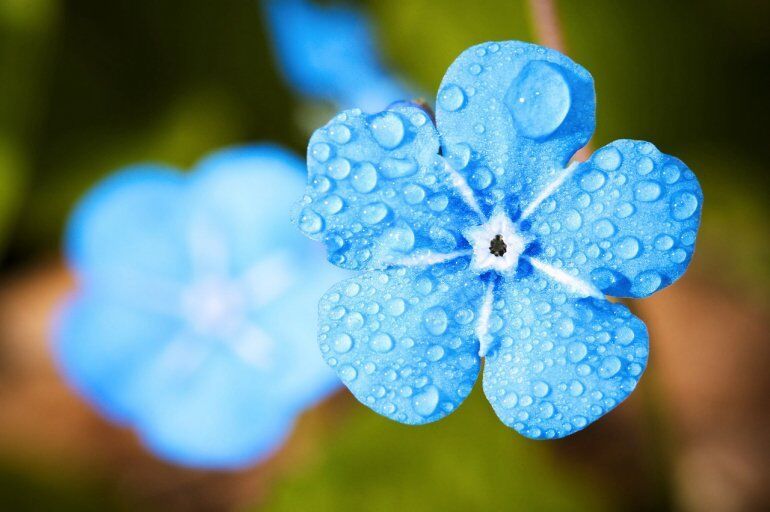
🪴 What Happened? Around 130–140 million years ago, flowering plants suddenly diversified and spread rapidly. This event is referred to as the Cretaceous Terrestrial Revolution. Charles Darwin called it an "abominable mystery" because of how quickly and widely they took over ecosystems. 🌍 How They Changed the World: Ecological Domination They now make up about 90% of all plant species and dominate most terrestrial ecosystems. New Food Webs Their flowers evolved to attract pollinators like bees, butterflies, and birds, creating new relationships and boosting biodiversity. Fruit & Seed Innovation Flowering plants produce fruits, which help disperse seeds via animals—hugely successful evolutionary strategy. Climate Impact Their fast-growing nature and broad leaves affect carbon cycles and even weather patterns by transpiring large amounts of water. Human Civilization Virtually all of our staple crops (wheat, rice, corn, etc.) are flowering plants. So, no flowers = no agriculture = no civilization as we know it.
 English
 English
 English
 English
Zimmer and her colleagues began looking in their shared data for groups of plants with common inherited traits, hoping eventually to identify a common ancestor to all flowering plants. Results to date indicate that the oldest living lineage, reaching back at least 130 million years, is Amborellaceae, a family that includes just one known species, Amborella trichopoda. Often described as a "living fossil," this small woody plant grows only on New Caledonia, a South Pacific island famous among botanists for its primeval flora.
English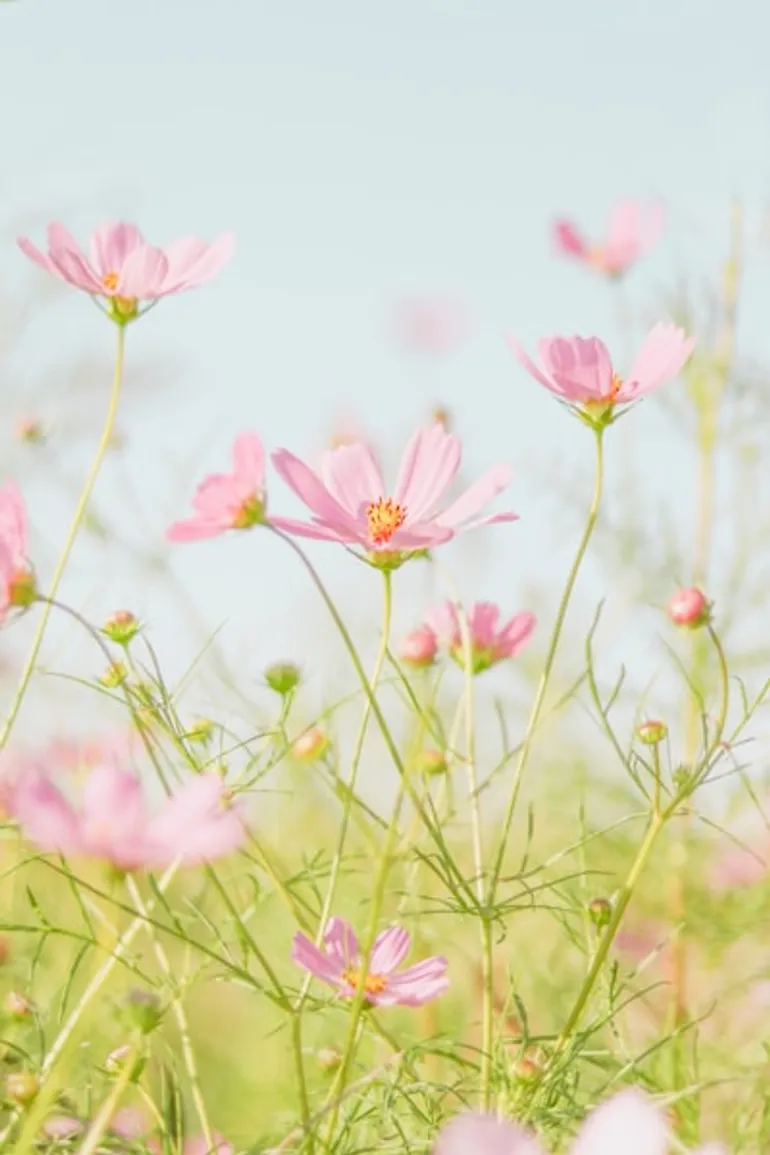
Spring flowers are not only beautiful — they are essential for nature 🐝🦋. Bees, butterflies, and other pollinators rely on these early blossoms for food after winter. Thanks to flowers, ecosystems begin to thrive again 🌍💚.
English
лпопоарпаорп ранекв. нененггне ненегн
English