


- Spanish
Viaje a Sevilla
Did you understand the text? Please answer the following questions of understanding after the text
- Reading lessons
- Intermediate
 English

 English

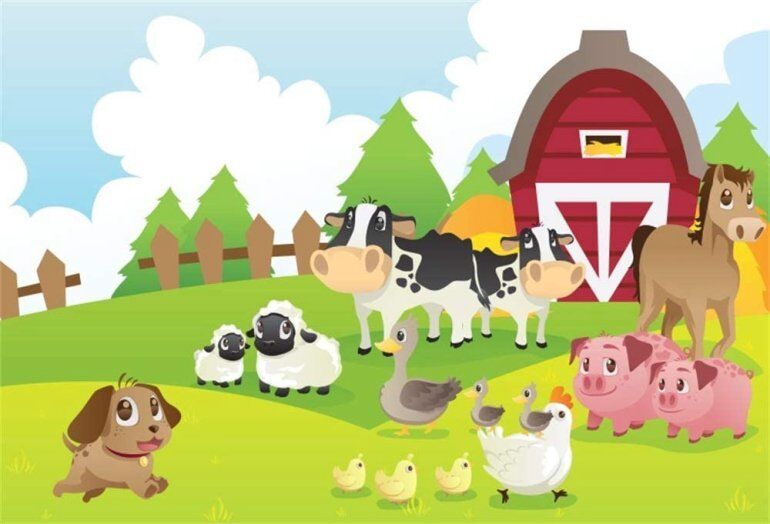
In this video we are going to learn the farm animals in spanish. Spanish vocabulary for children. vaca (cow), perro (dog), gato (cat), oveja (sheep), gallo (cock), cerdo (pig), caballo (horse), pato (duck), burro (donkey), gallina (chicken)



Андрей Щербак

 Georgia
Did you understand the text? Please answer the following questions of understanding after the text
English
Did you understand the text? Please answer the following questions of understanding after the text.
English English
 English
Vivo en un pueblo muy pequeño cercano a la montaña, donde hay un lago precioso en donde es habitual ver patos y cisnes nadando.
English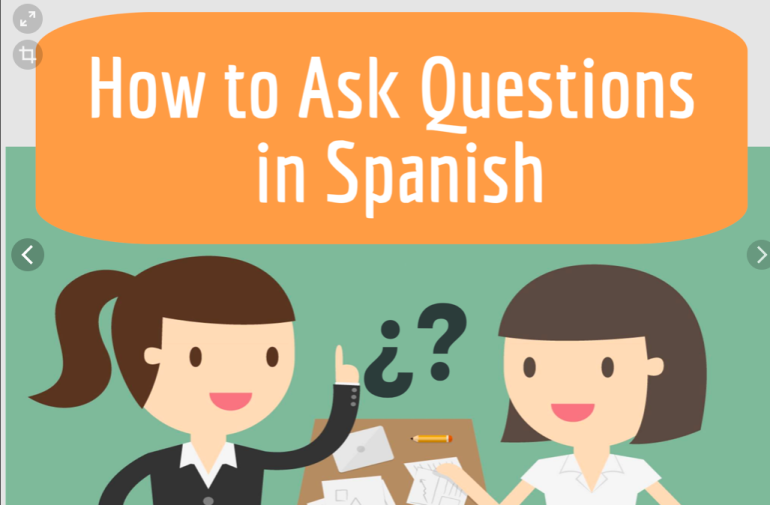
In Spanish, there may be several ways to ask the same question. Note the inverted question mark that begins each question.
English
Did you understand the text? Please answer the following questions of understanding after the text
English
“In school, most people learn Spanish by memorizing and being focused on grammar, but when they have to speak, nothing comes out. That’s my situation, but as I am learning with Oscar’s lessons, I am enjoying the process, and actually, I understand real spoken Spanish more and more, and now little words of Spanish are popping up into my head. This method is much powerful, much faster and it’s the way to learn Spanish when you really want to speak it.”
English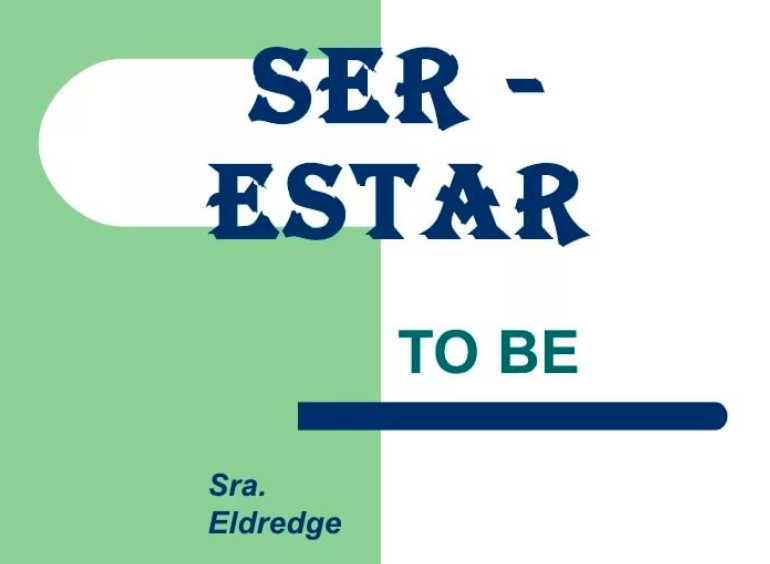
In the previous two lessons you learned the fundamental difference between ser and estar – essence or condition (“what” something is v. “how” something is), as well as some common uses for the verb ser. This lesson examines the other Spanish verb for “to be”: estar.
EnglishPassionate about language and communication, I have been teaching English to students of all levels for several years. My approach combines creativity, cultural insight, and real-life communication to help learners use English confidently in everyday situations. I specialize in developing speaking and listening skills through interactive activities, authentic materials, and personalized lessons. I believe that language learning should be enjoyable, meaningful, and adapted to each student’s goals. In my classes, students not only improve their grammar and vocabulary but also gain the confidence to express themselves clearly and naturally. Whether preparing for travel, study, or professional growth, I aim to make every lesson inspiring and effective.

Verified Tutor
Identity & qualifications verified

3-Day Refund Policy
Full refund if not satisfied

Usually responds in 2 hours
Quick replies to your messages

Secure Payments
Your payments are safe with us

Highly Rated Tutor
4.9 average rating from 101 reviews

7 months ago
hi