


- Other...
Ruzie in de supermarkt
Did you understand the text? Please answer the following questions of understanding after the text
- Reading lessons
- Elementary
 English

~When the gods have something to say about it~
English




Андрей Щербак

 Georgia
 This Latin phrase originally described an ancient plot device used in Greek and Roman theatre. Many tragedy writers used Deus ex Machina to resolve complicated or even seemingly hopeless situations in the plots of their plays. The phrase is loosely translated as “god from the machine.” This translation refers to how the Deus ex Machina was often performed in ancient theatre. An actor playing a god or goddess would be lowered on stage by a “mechane” which was the name of the crane device used. The above diagram depicts the mechanics of the "mechane". This device was the crane that the Greeks used in their theatre mostly in the fifth and fourth centuries BC. The "mechane" was composed of wooden beams and used a pulley system to pick up an actor into the air and elevate them above the stage to simulate flight. Mostly this device was used for Deus ex Machina purposes, but there were a few instances of using the machine to introduce other non-divine characters as in Euripides' "Medea." The term Deus ex Machina is still used today, however, it has taken on a broader meaning. Deus ex Machina is now the phrase used to describe any situation where something unexpected or implausible is brought in to the story line to resolve situations or disentangle a plot. The resolution could come from a new character, device, or event. The definition of this phrase has also been stretched to include any story resolutions that are not drawn directly or logically from the preceding plot and defy even the broad concept of suspension of disbelief. The new and broader definition of Deus ex Machina helps authors of such modern works to end their stories with improbable but more acceptable conclusions. In ancient theatre, it was a god or goddess that was introduced. Normally, a member of what was referred to as the Olympian twelve: Zeus, Poseidon, Hera, Demeter, Apollo, Artemis, Athena, Ares, Aphrodite, Hermes, Hephaestus. Dionysus, and sometimes Hestia. Euripides was the most notable user of the Deus ex Machina. He included this plot device in many of his plays. Many scholars believe that he was the first to pioneer the concept. Euripides’ had an almost notorious reputation for trying new ideas in the tragedy genre. For instance he wrote his plays in a manner that rendered the chorus independent from the primary action of the drama and he used explanatory prologues to explain what happened preceding the play and may have outlined events to come. His unconventional and revolutionary ideas that toyed even with the traditional structure of the tragedy garnered Euripides a lot of criticism. With this in mind, it’s not too difficult to believe that he was the first to use Deus ex Machina in a play. And, since Euripides was often criticized for his ideas, it makes sense that he was the primary user of the concept out of the three great writers of tragedy. Euripides used Deus ex Machina more frequently than any of the other tragedians, but he also used it in a different manner. He went beyond utilizing it to solve difficult plot issues. Instead, Euripides would use the Deus ex Machina to provide divine criticism, approval, dissaproval, and insight into mankind and its actions. Euripides brought in the gods and goddesses also to incorporate a religious and devotional aspect. By using the deities in this manner he emphasized the fact that man was subject to the gods who had ultimate control. Yet, even though they had such control, Euripides also referenced the imperfections that were famous among the Greek deities. By incorporating the vendettas, feuds, jealousies, and other imperfections amongst the gods and goddesses Euripides showed the connections between human mortals and the gods in addition to showing the ultimate control and power that the Greek deities possessed. Some examples of Deus ex Machina in Euripides' tragedies:
Medea- When Medea is shown in the chariot of the sun god Helios, the god himself isn't present. From her vantage point in the chariot she watches the grieving Jason. It was thought that this particular scene would have been accomplished using the same mechane designed for a Deus ex Machina.
Hippolytus- In this play three deities are present: the jealous Aphrodite, Artemis the object of Hippolytus' devotion, and vengeful Poseidon. However it is only Artemis who appears. She explains to Theseus that Hippolytus was innocent all along and that it was Aphrodite who had caused been manipulative and caused all the grief. Additionaly in this appearance, Artemis vows to destroy any man Aphrodite ever loves.
Andromache- At the end of this play, Thetis the sea goddess appears to Peleus. She comes to take Peleus back with her to her ocean home. The play ends with Peleus going with Thetis his wife, into the ocean.
Helen- In Helen, Theoclymenos becomes enraged when Helen and Menelaus trick him and run away together. As a result, he tries to murder his sister Theonoe for not telling him that Menelaus was not dead. The demi-gods Castor and Polydeuces, Helen's brothers and sons of Zeus and Leda, appear miraculously to intervene.
Orestes- In Euripides' Orestes, Apollo appears on stage to set everything in order. Apollo closes up all the loose ends by revealing that Helen had been put amongst the stars and therefore Menelaus should return to Sparta. He also orders Orestes to journey to Athens to stand trial in their court which will lead to his acquittal. Apollo also states that Orestes will marry Hermione and that Pylades and Electra will also marry.
The Deus ex Machina remains a popular plot device even today, being used in modern films, novels, and short stories. Though its definition has been broadened to accomodate the greater and different scope of its usage from ancient times, the main concept still exists. The Deus ex Machina has been existence at least as early as the fifth century BC. This convention swiftly became popular in early Greek theatre but it began as a revolutionary idea from the mind of Euripides one of the tragedy genres great innovators. Euripides may have been known for using unconventional ideas in his plays and he may have received a lot of criticism for it, but nonetheless the Deus ex Machina would still persist as one of oldest, useful, and popular plot devices.
Did you understand the text? Please answer the following questions of understanding after the text
English
Colombia is nicknamed the "gateway to South America" because it sits in the northwestern part of the continent where South America connects with Central and North America.
English
Did you understand the text? Please answer the following questions of understanding after the text
English
Try this practice test to see how prepared you are for a biology exam. Whether you are in high school or college, you are likely to have a biology requirement. Biology tests often cover such subjects as physiology, morphology and reproduction of living organisms.
English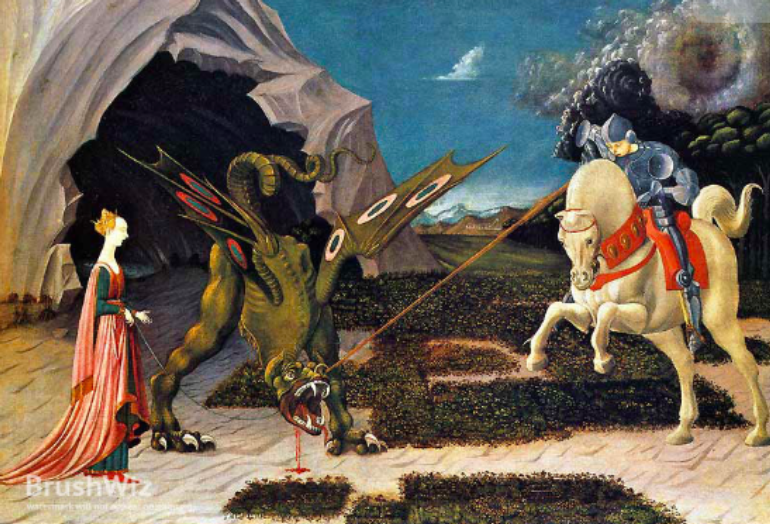
Despite the huge number of paintings that viewers have seen in museums and art galleries across the world, only a relatively miniscule number has been universally recognized as being classic. Timeless in their beauty and execution, these artworks have transcended time and artistic concepts to create history. These paintings are familiar to people of all ages and cultures as being representative of the greatest works of art ever created and will continue to resonate in the minds of art lovers for many centuries to come.
English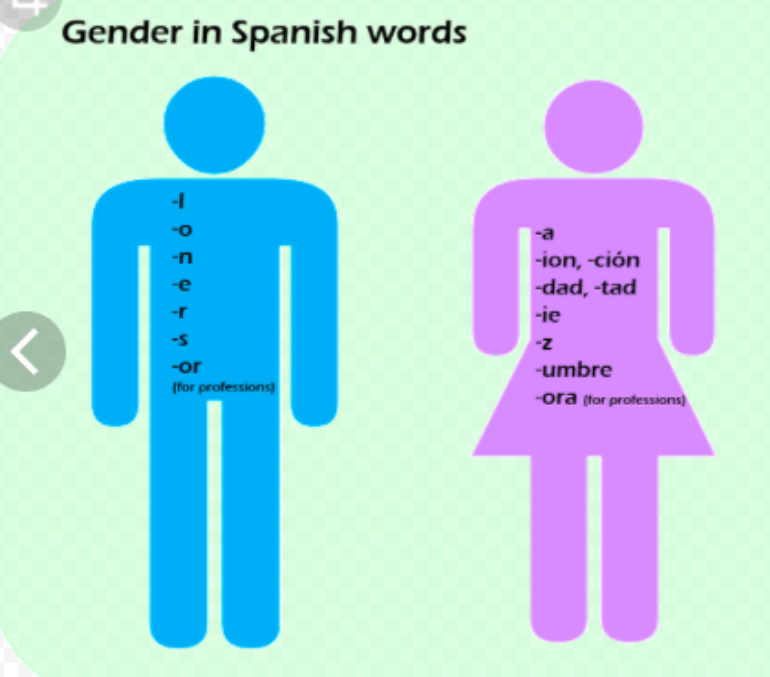
Depending on the career you want from your life, Spanish may help you in many ways: good communication skills for business and traveling sectors, correct diagnose of patients as a nurse, accurate suspect interrogation as a police officer, etc. Either way, people can successfully mark an important progress in their career. Moreover, cultural awareness is essential when it comes to dealing with Latin or Hispanic commerce. Having a proper understanding of each Spanish tradition might open a number of important doors, as you practically show appreciation for other cultures and not only for yours. Knowing how to deal with marketers and other business associates adequately represents a significant advantage if you want to forward your life, and Spanish constitutes an excellent way to reach the peak.
English
Mental-discipline theories
English English
The history of the United States is what happened in the past in the United States, a country in North America.
EnglishPassionate about language and communication, I have been teaching English to students of all levels for several years. My approach combines creativity, cultural insight, and real-life communication to help learners use English confidently in everyday situations. I specialize in developing speaking and listening skills through interactive activities, authentic materials, and personalized lessons. I believe that language learning should be enjoyable, meaningful, and adapted to each student’s goals. In my classes, students not only improve their grammar and vocabulary but also gain the confidence to express themselves clearly and naturally. Whether preparing for travel, study, or professional growth, I aim to make every lesson inspiring and effective.

Verified Tutor
Identity & qualifications verified

3-Day Refund Policy
Full refund if not satisfied

Usually responds in 2 hours
Quick replies to your messages

Secure Payments
Your payments are safe with us

Highly Rated Tutor
4.9 average rating from 101 reviews
